Where to place transferable skills on your resume
Your skills should match what the job description asks. Even if your background comes from another industry, highlight project management, data analysis, or team collaboration skills that fit the new role.
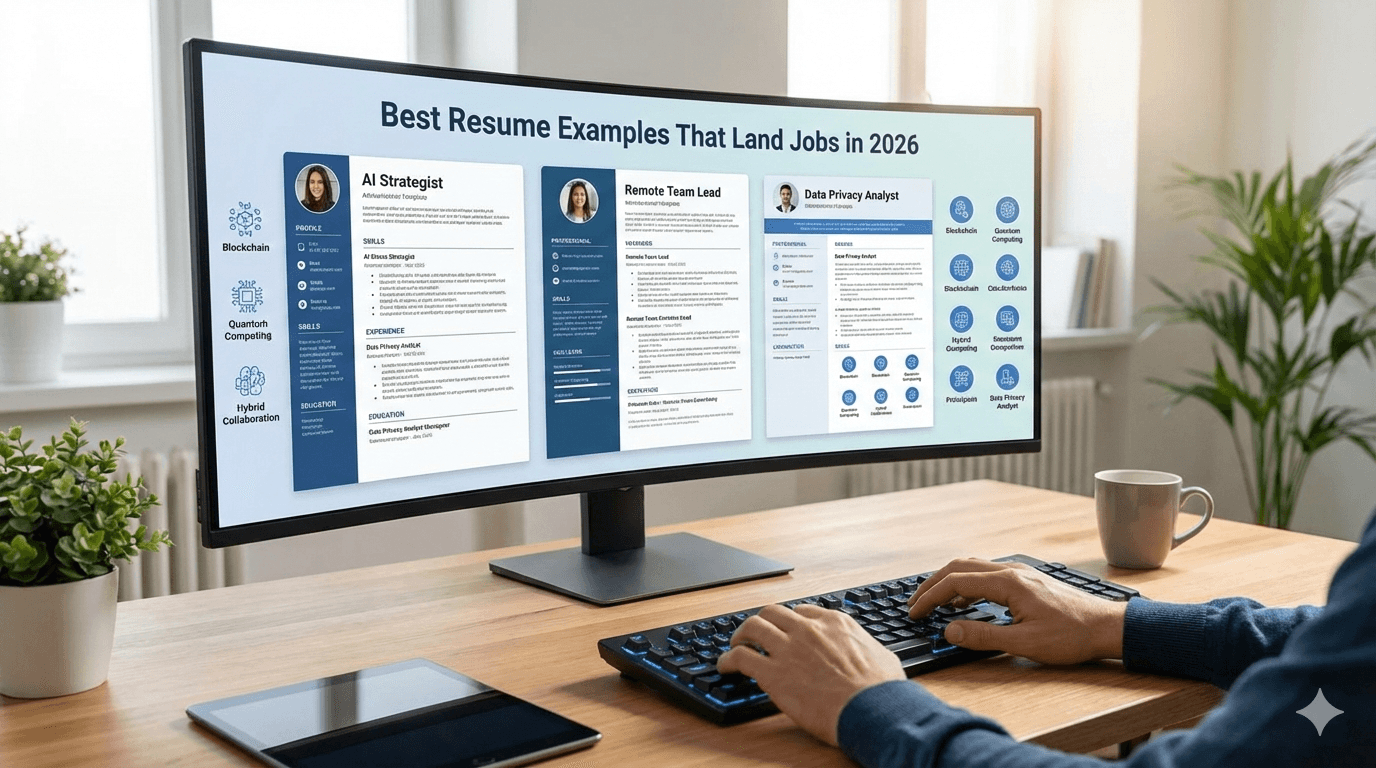
The hybrid resume format serves career changers exceptionally well. It merges your work timeline with a clear overview of your capabilities.
Creating a dedicated skills summary section
A skills section placed near the top makes your transferable abilities visible quickly. Group your skills into categories like "Leadership & Team Collaboration," "Data Analysis & Problem-Solving," or "Client Relations & Sales."
Your summary statement should pack a punch by highlighting key transferable skills. Here's an example: "Marketing professional with expertise in data analysis, project management, and cross-functional teamwork. My strategic planning and stakeholder communication boost campaign results."
Uniform headings and consistent styling throughout your resume demonstrate attention to detail—a valuable transferable skill that employers notice.
Showcase Transferable Skills in Resume Sections
Your resume's real strength comes from showcasing transferable skills across all sections. Here's how you can make your abilities stand out in every part of your document.
Writing a compelling summary or objective
Start with a short 2-3 sentence paragraph that shows your most valuable transferable skills. The summary should grab the hiring manager's attention by linking your past experience to your target role. Add the company name and job title to show you customized your application. To cite an instance: "Marketing professional with expertise in data analysis, project management, and cross-functional teamwork. Knowing how to boost campaign outcomes through strategic planning."
Using action verbs in your work experience
Each bullet point should begin with strong action verbs that showcase your transferable skills:
- Leadership skills: Coordinated, Delegated, Mentored, Supervised
- Problem-solving: Analyzed, Resolved, Implemented, Troubleshot
- Communication: Cooperated, Presented, Negotiated, Persuaded
The experience section should avoid empty phrases like "responsible for" and focus on results. Replace "Responsible for customer service" with "Resolved customer complaints quickly and improved customer retention rates."
Highlighting relevant projects or freelance work
Freelance work helps cover employment gaps while showing relevant transferable skills. When you have impressive clients, write statements like: "Designed online customer support center with a self-service knowledge base and interactive chat that reduced customer support calls by 45%". The Challenge-Actions-Results method creates powerful, results-focused descriptions.
Adding certifications and professional development
Include certifications with their complete title, issuing organization, and completion date. To name just one example: "Certified Data Scientist, Udemy, 2020". You can place valuable credentials after your name in the header or create a dedicated "Professional Development" section that shows your commitment to learning.
Tailoring your education section for skill relevance
Academic experiences deserve the same structured approach as jobs. Focus on projects, leadership roles, and relevant coursework. Rather than writing "Member of Debate Club," say "Vice President, University Debate Club – Hosted weekly meetings, coordinated competitions, and mentored new members".
Optimize for ATS and Real People
Job seekers today need strategic skill presentation to get past automated systems and impress hiring managers. Let me show you how this critical process works.
Using keywords from job descriptions
Applicant Tracking Systems (ATS) scan resumes for specific keywords related to job requirements. Your resume needs optimization through careful analysis of each job posting to identify recurring terms. A good approach is to gather 3-5 job descriptions for your target positions and use a word frequency tool to spot commonly used terms.
The key is to use exact matches rather than synonyms. When a posting mentions "project management," stick to that phrase instead of writing "managed projects".
Examples of transferable skills in bullet points
Generic statements can become powerful proof of your abilities:
Before: "Managed social media accounts"After: "Designed and implemented social media strategy across platforms, increasing follower engagement by 25%"
This formula works well: "What you did + how you did it + end results". ATS systems can process these concrete data points while recruiters quickly understand your contributions.
Avoiding vague claims without proof
Your achievements need specific numbers whenever possible. Rather than stating "strong communication skills," show how your communication created measurable outcomes in previous roles. Action verbs that demonstrate results make your bullet points more impactful.
Becoming skilled at showcasing transferable skills gives you an edge in today's fast-moving job market. These versatile abilities help you stay mobile and adaptable throughout your career.
Your success in 2026 largely depends on how well you can spot and communicate these portable skills. The right resume format—chronological, functional, or combination—shapes how employers see what you can do.
These transferable skills show employers you can adapt to different roles and industries. Employers look for candidates who can handle workplace changes with versatility and confidence.
A strong resume must work for both automated systems and human recruiters. Well-placed keywords and measurable achievements make your application stand out. The best job seekers blend technical expertise with people skills.
You now have the tools to excel in a competitive job market. This comes from identifying your unique transferable skills, building an effective resume structure, and making it work for both ATS and human readers.
The workplace evolves faster than ever. Your knack for adapting, solving problems, and learning makes you valuable to any organization. Put these strategies to work today and watch your career opportunities grow beyond your expectations.