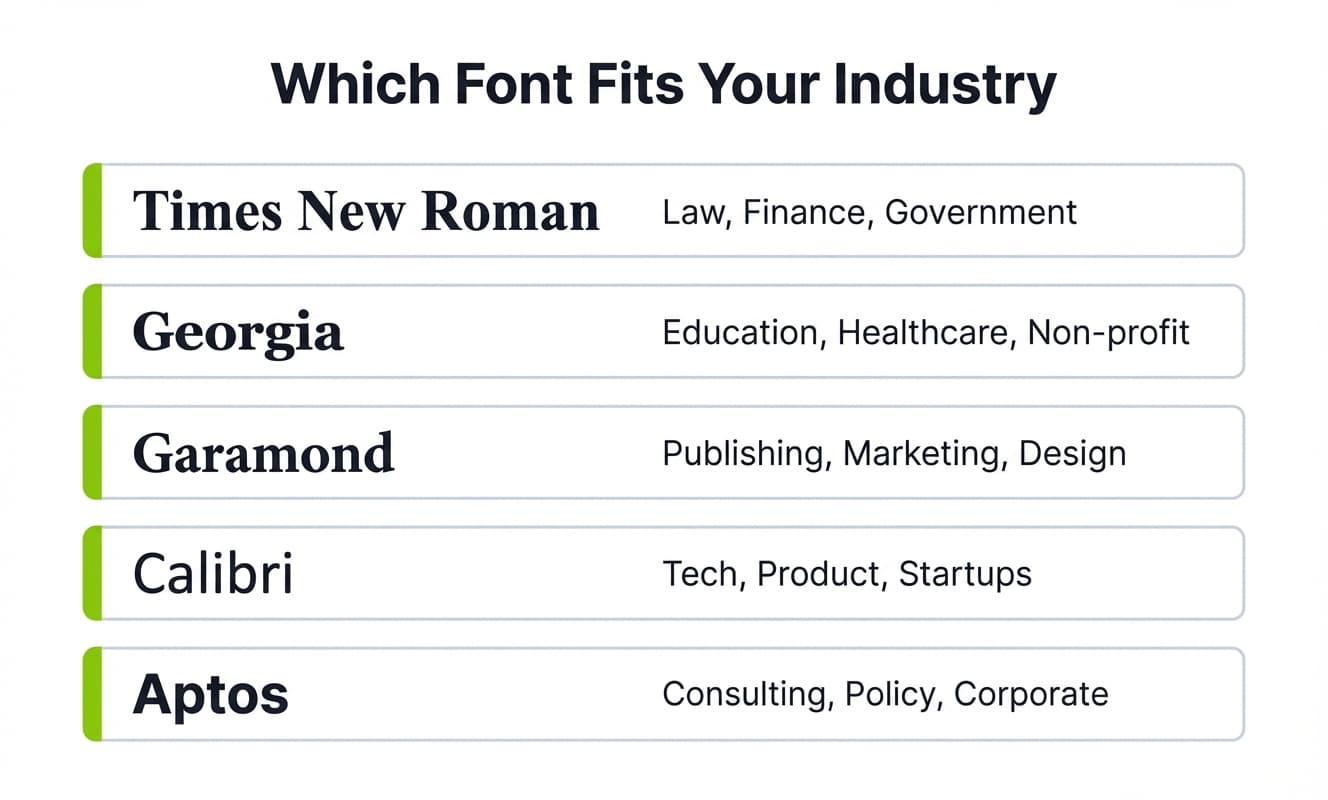
Die richtige Schriftart für Ihr Anschreiben zu wählen, mag wie ein kleines Detail wirken, aber sie spielt eine entscheidende Rolle dabei, einen starken ersten Eindruck zu hinterlassen. Eine gut gewählte Schriftart verbessert die Lesbarkeit, vermittelt Professionalität und teilt Personalverantwortlichen unterschwellig etwas über Ihre Persönlichkeit mit. Tatsächlich zählen laut der Einstellungsforschung von Indeed die Darstellung und die visuelle Sorgfalt zu den ersten Signalen, anhand derer Personalverantwortliche den Einsatz eines Bewerbers einschätzen, bevor sie ein einziges Wort gelesen haben. Dieser Artikel stellt die besten Schriftarten für ein professionelles Anschreiben vor und erklärt, warum die Schriftwahl wichtig ist und wie Sie den perfekten Stil für Ihre Branche und Ihre persönliche Marke auswählen.
Warum die Schriftwahl in Ihrem Anschreiben zählt
Schriftarten sind mehr als nur Buchstaben auf einem Bildschirm; sie tragen eine emotionale Wirkung und beeinflussen, wie Ihre Botschaft wahrgenommen wird. Typografieforschung der Nielsen Norman Group zeigt, dass Serifenschriften eng mit Tradition und Autorität verbunden sind, Eigenschaften, die in Bereichen wie Recht und Finanzwesen Gewicht haben. Moderne serifenlose Schriften signalisieren Klarheit und Aufbruch und passen daher besser zu Tech- und Start-up-Umfeldern. Die richtige Schriftart zu wählen, ist eine bewusste Markenentscheidung, die einem Personalverantwortlichen etwas über Ihr berufliches Urteilsvermögen verrät, bevor er einen einzigen Satz liest. Mit dem Careerkit Schriftarten-Vorschau-Tool können Sie in einem echten Dokument vorab betrachten, wie jede Schriftart aussieht.
Über die Ästhetik hinaus beeinflusst die Schriftwahl die Lesbarkeit. Personalverantwortliche überfliegen oft Dutzende, wenn nicht Hunderte von Bewerbungen. Eine klare, gut lesbare Schriftart sorgt dafür, dass Ihr Anschreiben leicht zu lesen ist und Ihre Kernaussagen hervorstechen. Laut der Talentgewinnungsforschung der SHRM nennen Personalverantwortliche sichtbaren Einsatz und die Qualität der Darstellung immer wieder als Unterscheidungsmerkmal zwischen Bewerbern mit ähnlicher Erfahrung, und die Schriftwahl ist ein messbarer Teil dieses ersten Eindrucks. Darüber hinaus kann die richtige Schriftart die gesamte visuelle Hierarchie Ihres Anschreibens verbessern und das Auge des Lesers zu den wichtigsten Elementen führen, etwa zu Ihren Fähigkeiten und Erfolgen.
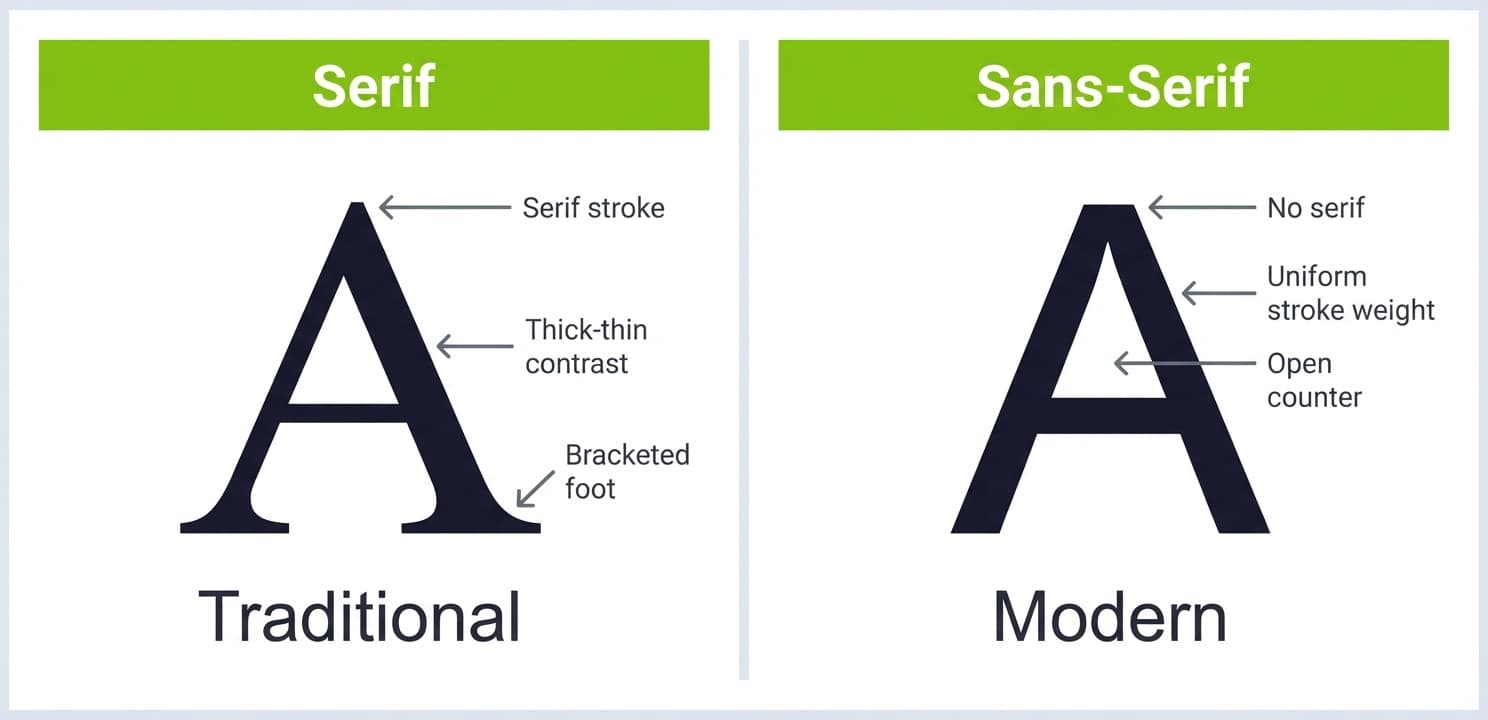
Schriftarten können die Wahrnehmung Ihrer Professionalität und Sorgfalt beim Leser unterschwellig beeinflussen. Serifenschriften, die kleine Linien oder Striche an den Enden der Buchstaben aufweisen, vermitteln oft ein Gefühl von Formalität und Vertrauenswürdigkeit. Serifenlose Schriften, denen diese Striche fehlen, wirken tendenziell sauber, modern und geradlinig. Diese Unterscheidung kann entscheidend sein, wenn Sie sich auf Positionen bewerben, in denen die Unternehmenskultur entweder traditionell oder innovativ ist. Ein Start-up etwa schätzt vielleicht eine frische, serifenlose Schrift, die seinen dynamischen Ansatz widerspiegelt, während ein etabliertes Unternehmen eher eine klassische Serifenschrift bevorzugt, die Stabilität und Zuverlässigkeit vermittelt.
Ein praktischer Weg, eine typografische Hierarchie umzusetzen, besteht darin, Ihren Namen in einer fetten Schnittstärke Ihrer gewählten Schrift zu setzen und den Fließtext in der normalen Stärke zu belassen. Das schafft Kontrast und visuelle Struktur, ohne eine zweite Schriftart einzuführen. Das Ergebnis ist ein Dokument, das das Auge des Lesers ganz natürlich führt, ohne um Aufmerksamkeit zu konkurrieren. Zudem können auch Größe und Zeilenabstand Ihrer Schrift eine wichtige Rolle dabei spielen, wie Ihr Anschreiben aufgenommen wird. Eine zu kleine Schrift kann die Augen des Lesers anstrengen, während ein übermäßiger Abstand Ihren Brief unzusammenhängend wirken lässt. Eine gut durchdachte Schriftwahl, kombiniert mit passender Größe und passendem Abstand, kann die Gesamtwirkung Ihrer Bewerbung verbessern und einen bleibenden Eindruck bei potenziellen Arbeitgebern hinterlassen.
Die besten Schriftarten für ein professionelles Anschreiben
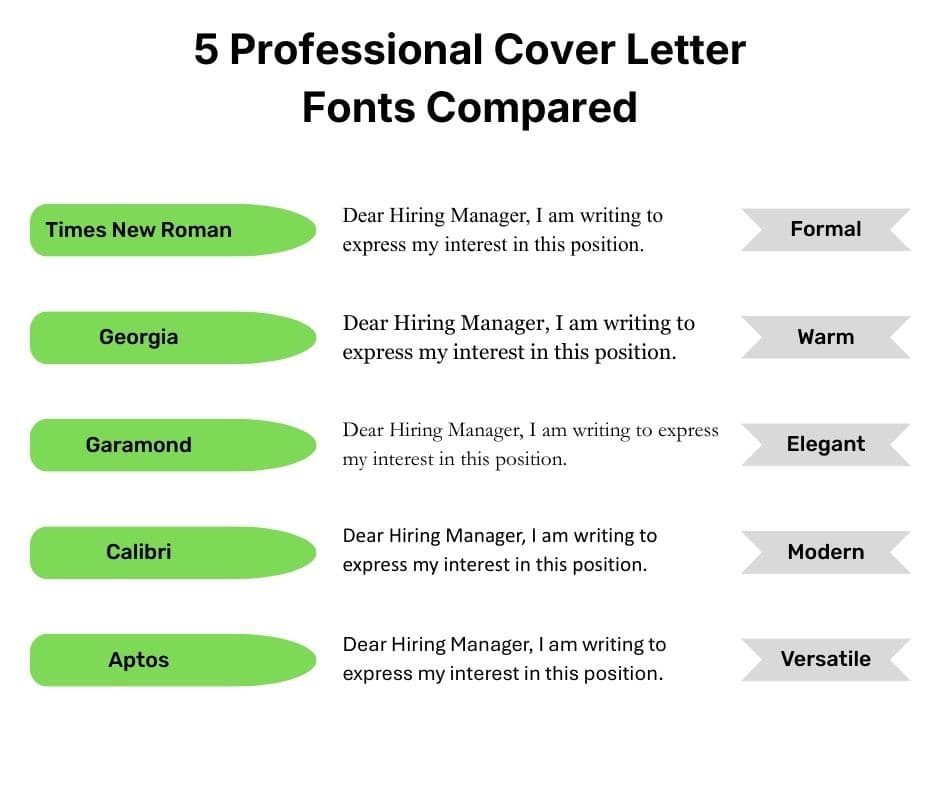
Bei der Auswahl einer Schriftart ist es wichtig, Branchenstandards, Lesbarkeit und den Ton zu berücksichtigen, den Sie setzen möchten. Hier sind die besten empfohlenen Schriftarten für professionelle Anschreiben. Jeder Eintrag unten enthält ein echtes Anschreiben-Beispiel, damit Sie sehen, welchen Ton jede Schrift erzeugt. Um eine dieser Schriften in Ihrem eigenen Dokument vorab zu betrachten, bevor Sie sich festlegen, verwenden Sie das Careerkit Schriftarten-Vorschau-Tool.
1. Times New Roman
Times New Roman bleibt eine klassische Wahl für Anschreiben und Lebensläufe. Ihr Serifenstil ist weithin für seine Lesbarkeit und formelle Ausstrahlung bekannt. Eine Analyse von Lebenslauf-Schriften durch SEEK hat Times New Roman als eine der am meisten empfohlenen Schriften für professionelle Dokumente ausgemacht, geschätzt für ihre zeitlose Lesbarkeit und ihre nahezu universelle Erkennung über Branchen und Bewerbermanagementsysteme hinweg.
Diese Schriftart eignet sich besonders für traditionelle Branchen wie Recht, Finanzwesen und Behördenpositionen, in denen ein konservatives, gepflegtes Auftreten erwartet wird. Ihre Vertrautheit kann Ihr Anschreiben zudem vertrauenswürdig und autoritativ wirken lassen. Außerdem ruft der weit verbreitete Einsatz von Times New Roman in akademischen und beruflichen Umfeldern Glaubwürdigkeit hervor, was sie zu einer ausgezeichneten Wahl für Bewerber macht, die einen ernsten, autoritativen Ton setzen möchten. Sehen Sie mit dem Careerkit Schriftarten-Vorschau-Tool, wie sie in verschiedenen Größen erscheint.
"Ich bewerbe mich um die Stelle als Senior Compliance Officer bei Barclays. Mit sieben Jahren Erfahrung im Bereich Regulierung im Finanzdienstleistungssektor habe ich ein fundiertes Verständnis der Rahmenwerke entwickelt, mit denen Ihr Team täglich umgeht."
Times New Roman, 11 pt. Liest sich mit formeller Autorität. Am besten für Bewerbungen in Recht, Bankwesen, Behörden und öffentlichem Sektor.
2. Georgia
Georgia ist eine weitere Serifenschrift, die der traditionellen Typografie eine etwas modernere Note verleiht. Sie ist auf hohe Lesbarkeit am Bildschirm ausgelegt, was sie zu einer ausgezeichneten Wahl für digitale Bewerbungen macht. Georgia wurde von Microsoft gezielt für gute Lesbarkeit am Bildschirm entworfen, was sie zu einer verlässlichen Wahl für digitale Bewerbungen macht, bei denen Ihr Anschreiben am Monitor gelesen wird, bevor es je gedruckt wird.
Georgias im Vergleich zu Times New Roman etwas größere Buchstabenformen können Ihr Anschreiben zudem zugänglicher wirken lassen und dabei die Professionalität wahren. Die warme, einladende Ästhetik dieser Schrift hilft, eine persönliche Verbindung zum Leser aufzubauen, was besonders in Bereichen wie Bildung und Gesundheitswesen wertvoll ist, in denen Empathie und Zugänglichkeit ebenso zählen wie Qualifikationen.
"Ich freue mich darauf, meine fünf Jahre Unterrichtserfahrung in die Position als leitende Lehrkraft der 4. Klasse an der Riverside-Grundschule einzubringen. Mein Ansatz stellt schülergeleitetes Lernen, differenzierten Unterricht und eine beständige Kommunikation mit den Familien in den Mittelpunkt."
Georgia, 11 pt. Warm und gut lesbar. Am besten für Positionen in Bildung, Gesundheitswesen, gemeinnützigem Bereich und sozialen Diensten.
3. Garamond
Bereit fuer Ihren Traumjob?
Schliessen Sie sich 50.000+ Jobsuchenden an, die ihre Karriere bereits mit unserem KI-gestuetzten Lebenslauf-Builder verwandelt haben.
Garamond ist eine stilvolle Serifenschrift, die für ihre Eleganz und Lesbarkeit bekannt ist. Sie wird oft von Fachleuten bevorzugt, die Raffinesse vermitteln möchten, ohne auf Klarheit zu verzichten. Wie Georgia trägt Garamond ein Gefühl von Tradition in sich, was in konservativen Bereichen von Vorteil sein kann.
Ihre anmutigen Rundungen und ausgewogenen Abstände machen sie zu einem Vergnügen beim Lesen und helfen Ihrem Anschreiben, sich unter den häufiger verwendeten Schriften dezent abzuheben. Garamond ist eng mit literarischen Werken und dem Verlagswesen verbunden, was sie zu einer idealen Wahl für Bewerber in kreativen Branchen wie Schreiben, Design und Marketing macht, in denen ein Hauch von Kunstfertigkeit den Gesamteindruck stärkt.
"Als Markenstratege mit zehn Jahren Erfahrung im Aufbau redaktioneller Identitäten für unabhängige Verlage bin ich überzeugt, dass an der Schnittstelle von Sprache und Design die bedeutsamste kreative Arbeit entsteht."
Garamond, 11 pt. Elegant und redaktionell. Am besten für Positionen in Verlagswesen, Kommunikation, Design und Marketing.
4. Calibri
Für alle, die sich im Technologiesektor oder in moderneren Branchen bewerben, ist Calibri eine weit verbreitete serifenlose Wahl. Sie ist seit 2007 die Standardschrift in Microsoft Office, was bedeutet, dass sie auf nahezu jedem Gerät und in jedem E-Mail-Programm sauber dargestellt wird, ohne Ersetzungsfehler oder Formatierungsverschiebungen, wenn ein Personalverantwortlicher Ihre Datei öffnet. Ihre klaren Linien vermitteln Effizienz und Klarheit, und ihre leicht abgerundeten Kanten verleihen ihr eine freundliche Anmutung, ohne die Professionalität zu opfern, was sie zu einer natürlichen Wahl für Start-ups, Produktunternehmen und jede Organisation macht, die eine moderne, kollaborative Kultur schätzt.
"Ich bewerbe mich um die Position als Product Manager bei Notion. In den vergangenen drei Jahren bei Atlassian habe ich vier plattformübergreifende Funktionen eingeführt, die das Aufkommen an Support-Tickets um 34 Prozent gesenkt und den NPS zugleich um 12 Punkte verbessert haben."
Calibri, 11 pt. Klar und zeitgemäß. Am besten für Positionen in Software, Produkt, Fintech und Start-ups.
5. Aptos
Eingeführt als Microsofts neue Standardschrift im Jahr 2023, schafft Aptos eine Balance zwischen traditioneller Professionalität und moderner Lesbarkeit. Das macht sie zu einer idealen Wahl für formelle Branchen, die zugleich eine zeitgemäße Note schätzen.
Microsoft hat Aptos gezielt für Klarheit sowohl im Druck als auch auf digitalen Oberflächen entworfen, was ihr einen praktischen Vorteil für Bewerbungen verschafft, die in mehreren Formaten eingereicht werden. Wenn Sie sich auf Rollen bewerben, die Unternehmens-, Beratungs- oder Umfelder im öffentlichen Sektor umfassen, ist Aptos eine starke aktuelle Wahl, die gepflegt wirkt, ohne veraltet zu erscheinen.
"Ich bewerbe mich um die Position als Senior Policy Analyst bei der Europäischen Kommission. Mein Hintergrund umfasst fünf Jahre evidenzbasierte Forschung zur Klima- und Energieregulierung in drei EU-Mitgliedstaaten."
Aptos, 11 pt. Institutionell und zugleich modern. Am besten für Positionen in Beratung, Politik, Finanzwesen und branchenübergreifenden Fachrollen.
Welche Schriftgröße und welchen Abstand Sie verwenden sollten und ob Sie zu Ihrem Lebenslauf passen
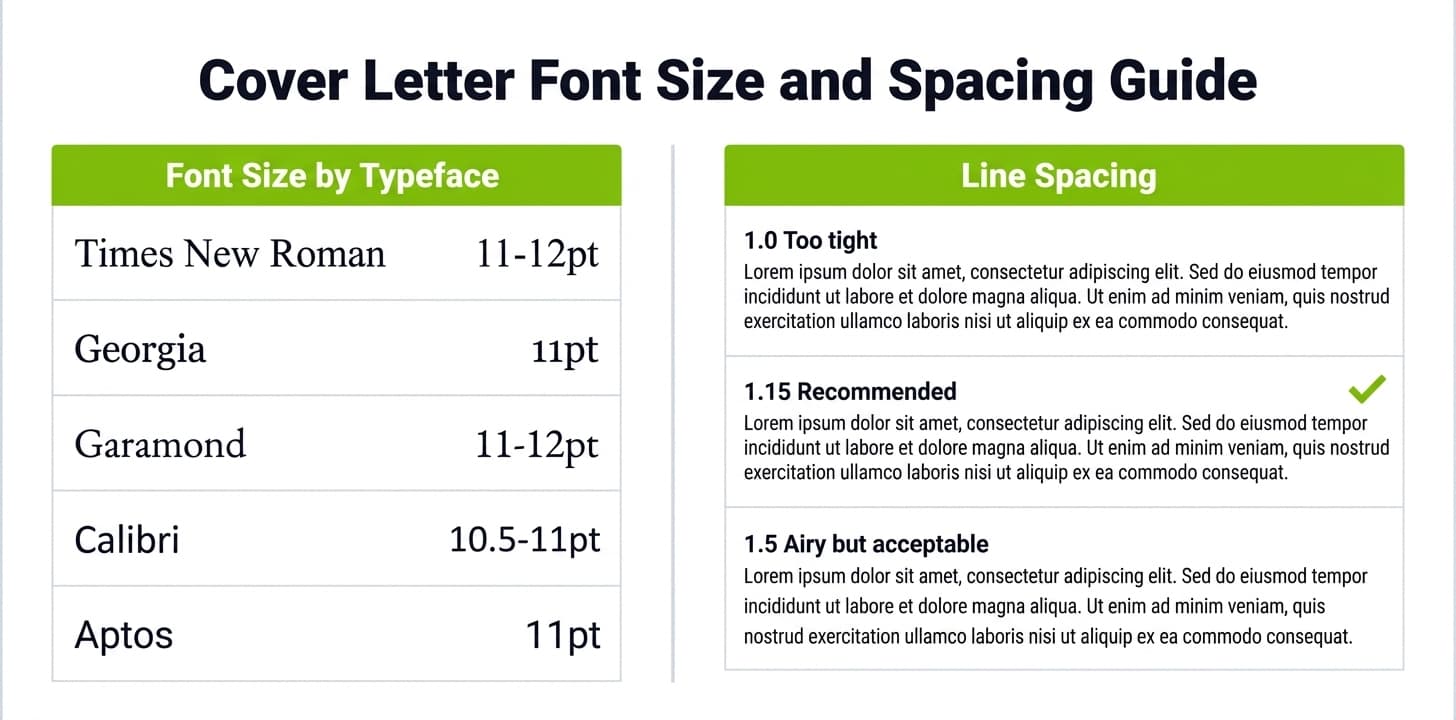
Eine großartige Anschreiben-Schrift versagt trotzdem, wenn Größe oder Abstand nicht stimmen. Setzen Sie Ihren Fließtext zwischen 10,5 und 12 Punkt: 11 oder 12 für einen kürzeren Brief, 10,5, wenn Sie darum kämpfen, alles auf einer Seite zu halten. Unter 10 Punkt strengt es den Leser an, über 12 Punkt wirkt es aufgebläht. Verwenden Sie einfachen oder 1,15-fachen Zeilenabstand, eine Leerzeile zwischen den Absätzen statt Einzügen und Ränder von 2,5 cm auf jeder Seite, damit die Seite atmen kann. Betrachten Sie vorab, wie jede Schrift in verschiedenen Größen aussieht, bevor Sie sich festlegen, denn dieselbe Punktgröße erscheint in Georgia deutlich größer als in Calibri.
Sollte die Schrift Ihres Anschreibens zu Ihrem Lebenslauf passen? Ja. Ein Personalverantwortlicher sieht die beiden Dokumente fast immer nebeneinander, und eine einheitliche Schriftart liest sich als bewusst und geordnet, während zwei verschiedene Schriften so aussehen, als hätten zwei verschiedene Personen sie verfasst. Wählen Sie eine Schrift aus der obigen Liste und verwenden Sie sie in Lebenslauf, Anschreiben und einer etwaigen Referenzseite. Wenn der Text selbst fertig ist, erstellen Sie Ihr Anschreiben in Careerkit, damit Abstände und Ränder für Sie übernommen werden. Wenn Sie noch überlegen, ob Sie überhaupt eines brauchen, erklärt unser Ratgeber Anschreiben vs. Lebenslauf, wann es am wichtigsten ist.
Tipps, um Schriftarten wirkungsvoll einzusetzen
Die richtige Schrift zu wählen, ist nur die halbe Arbeit. Wie Sie sie in Ihrem Dokument einsetzen, entscheidet darüber, ob das Ergebnis gepflegt oder uneinheitlich wirkt. Diese drei Grundsätze helfen Ihnen, das Beste aus der von Ihnen gewählten Schrift herauszuholen, egal ob Sie bei null anfangen oder einen bestehenden Entwurf verfeinern. Wenn Sie die Formatierung übernehmen lassen möchten, wendet der Careerkit Anschreiben-Generator professionelle Typografie und Abstände automatisch an.
Halten Sie es einfach und einheitlich
Bleiben Sie bei höchstens einer oder zwei Schriften. Zu viele Schriften zu verwenden, kann Ihr Anschreiben überladen und unprofessionell wirken lassen. Sie könnten zum Beispiel eine fette Variante Ihrer gewählten Schrift für Ihren Namen oder Überschriften verwenden und den Fließtext in einem normalen Stil belassen.
Auch Einheitlichkeit bei Schriftgröße, Abstand und Ausrichtung trägt zu einem sauberen, gepflegten Erscheinungsbild bei. Als Faustregel eignen sich 11 pt für die meisten Schriften gut. Wenn Sie Times New Roman oder Garamond verwenden, lesen sich 11 pt oder 12 pt aufgrund ihrer geringeren x-Höhe möglicherweise besser. Calibri und Aptos erscheinen bei gleicher Punktgröße größer, sodass 10,5 pt oder 11 pt meist die richtige Wahl sind. Verwenden Sie außerdem einen Zeilenabstand zwischen 1,15 und 1,5, um dem Text Raum zum Atmen zu geben, ohne unschöne Lücken zu erzeugen. Ein Schritt, den die meisten Bewerber übersehen: Exportieren Sie Ihr Anschreiben vor dem Versand stets als PDF. Das legt Ihre Schriftwahl fest und verhindert Ersetzungsfehler, die auftreten, wenn ein Personalverantwortlicher eine .docx-Datei auf einem System ohne Ihre gewählte Schrift öffnet. Wenn Sie Ihr Anschreiben mit Careerkit erstellen, wird dies automatisch übernommen.
Passen Sie Ihre Schrift an die Branche an
Berücksichtigen Sie die Normen und Erwartungen der Branche, in der Sie sich bewerben. Traditionelle Bereiche wie Recht, Finanzwesen und Wissenschaft bevorzugen oft Serifenschriften wie Times New Roman oder Garamond. Kreative und Tech-Branchen sind möglicherweise offener für moderne serifenlose Schriften wie Calibri oder Aptos.
Ihr Anschreiben auf den Job und die Unternehmenskultur zuzuschneiden, ist einer der klarsten Wege zu signalisieren, dass Sie das Umfeld verstehen, in das Sie eintreten. Die visuelle Markenführung des Unternehmens zu recherchieren, kann Ihre Schriftentscheidung leiten: Ein Start-up mit moderner Identität spricht besser auf Calibri oder Aptos an als auf Times New Roman. Bei einer hundert Jahre alten Finanzinstitution ist es umgekehrt. Dieselbe Logik gilt für Ihren Lebenslauf, bei dem eine einheitliche Schrift über beide Dokumente hinweg Ihre berufliche Sorgfalt unterstreicht. Eine vollständige Übersicht dazu, wie Formatierungserwartungen je nach Abschnitt variieren, finden Sie im Ratgeber zum Aufbau eines starken Lebenslaufs. Fertige Beispiele, die für Ihr Fachgebiet geschrieben sind, finden Sie in unseren Anschreiben-Beispielen für Softwareentwickler, Anschreiben-Beispielen für Datenanalysten und Anschreiben-Beispielen für Projektmanager.
Priorisieren Sie die Lesbarkeit
Egal wie stilvoll eine Schrift sein mag, wenn sie schwer zu lesen ist, arbeitet sie gegen Sie. Vermeiden Sie übermäßig verzierte oder Schreibschriften, die den Leser ablenken oder verwirren können.
Sorgen Sie für ausreichend Kontrast zwischen Schriftfarbe und Hintergrund und verwenden Sie für maximale Klarheit standardmäßig schwarzen oder dunkelgrauen Text auf weißem Hintergrund. Kurze, fokussierte Absätze bewirken für die Lesbarkeit mehr als jeder Formatierungstrick. Halten Sie jeden Absatz auf drei oder vier Sätze und beginnen Sie mit Ihrem stärksten Punkt. Personalverantwortliche, die Dutzende Bewerbungen lesen, überfliegen zuerst die Eröffnungszeile jedes Absatzes, weshalb es den Brief unter Zeitdruck leichter erfassbar macht, wenn Sie Ihre relevanteste Qualifikation nach vorne stellen. Das Ziel ist ein Dokument, das den Leser einlädt, statt ihn arbeiten zu lassen, um Ihren Wert zu finden.
Abschließende Gedanken: So heben Sie Ihr Anschreiben hervor
Ihr Anschreiben ist Ihre persönliche Vorstellung bei einem potenziellen Arbeitgeber. Auch wenn der Inhalt Ihres Briefes das Wichtigste ist, kann die Art seiner Darstellung die Wahrnehmung des Lesers erheblich beeinflussen. Die richtige Schrift zu wählen, ist ein subtiler, aber wirkungsvoller Weg, Ihre Professionalität zu unterstreichen und Ihre Bewerbung einprägsam zu machen.
Indem Sie Schriften wie Times New Roman, Georgia, Garamond, Calibri oder Aptos wählen, bringen Sie Ihr Anschreiben mit den Erwartungen der Branche und den Standards der Lesbarkeit in Einklang. Ihre Schriftwahl mit einer durchdachten Formatierung zu verbinden, zeigt Personalverantwortlichen, dass Sie echte Sorgfalt in Ihre Bewerbung investiert haben, und dieser sichtbare Einsatz ist es, der einen vergessenswerten Brief von einem unterscheidet, der zu einem Rückruf führt. Um zu sehen, wie sich Ihr Anschreiben in das größere Bild dessen einfügt, was Personalverantwortliche zuerst bewerten, lesen Sie unseren Ratgeber dazu, was Personalverantwortliche bei der Durchsicht von Bewerbungen tatsächlich zuerst lesen.
Letztlich ist die beste Schrift für Ihr Anschreiben eine, die Ihre Botschaft ergänzt, zu Ihrer Branche passt und Ihren Brief zu einem Vergnügen beim Lesen macht. Auf diese Details zu achten, ist genau die Art von bewusster Vorbereitung, die auffällt. Wenn Ihr Anschreiben sitzt, sorgen Sie dafür, dass Ihr Lebenslauf demselben Maß an Sorgfalt entspricht. Verwenden Sie den Careerkit Lebenslauf-Generator, um einen ATS-tauglichen Lebenslauf zu erstellen, der sauber mit Ihrem Anschreiben harmoniert und Personalverantwortlichen über Ihre gesamte Bewerbung hinweg einen einheitlichen, professionellen ersten Eindruck vermittelt.
Machen Sie mit Careerkit den nächsten Schritt in Ihrer Karriere
Sie haben die Überlegungen bereits angestellt. Sie wissen, welche Schrift zu Ihrer Branche passt, wie Sie sie richtig dimensionieren und den Abstand setzen und wie Sie sie exportieren, damit sie Personalverantwortliche genau wie beabsichtigt erreicht. Jetzt fügen Sie alles zusammen. Der Careerkit Anschreiben-Generator bietet Ihnen ATS-freundliche Vorlagen mit eingebauter professioneller Typografie, KI-Schreibunterstützung, um Ihre Eröffnungs- und Fließtextabsätze zu schärfen, und einen PDF-Export mit einem Klick, damit Ihre Schriftwahl von Ihrem Bildschirm bis zum Postfach des Personalverantwortlichen erhalten bleibt.
Die besten Schriften für ein Anschreiben sind Times New Roman, Georgia, Garamond, Calibri und Aptos. Die richtige Wahl hängt von Ihrer Branche ab. Serifenschriften wie Times New Roman und Garamond passen zu traditionellen Bereichen wie Recht und Finanzwesen. Serifenlose Schriften wie Calibri eignen sich besser für Tech- und Start-up-Umfelder. Aptos ist ein starker Allrounder für Positionen im Unternehmens- und Beratungsbereich.
11 pt ist der sicherste Standard für die meisten Schriften. Times New Roman und Garamond haben einen kleineren visuellen Fußabdruck, sodass für diese auch 12 pt in Ordnung ist. Calibri und Aptos erscheinen bei gleicher Punktgröße größer, sodass 10,5 pt oder 11 pt meist richtig sind. Kombinieren Sie Ihre gewählte Größe stets mit einem Zeilenabstand von 1,15 bis 1,5.
Ja. Dieselbe Schrift in Anschreiben und Lebenslauf zu verwenden, schafft eine stimmige, professionelle Darstellung. Personalverantwortliche betrachten beide Dokumente oft nebeneinander, und nicht zusammenpassende Schriften erwecken einen Eindruck von Uneinheitlichkeit.
Beide sind technisch akzeptabel, aber in Unternehmensdokumenten überstrapaziert und können Ihr Anschreiben beliebig wirken lassen. Calibri oder Aptos sind stärkere Optionen, weil sie gezielt für die Lesbarkeit professioneller Dokumente entworfen wurden und am Bildschirm sauberer dargestellt werden.
Nein. Schreibschriften, handschriftliche und verzierte Schriften sind für Anschreiben in keiner Branche geeignet. Sie sind in Fließtextgröße schwer zu lesen, scheitern oft an der ATS-Auswertung und signalisieren fehlendes berufliches Urteilsvermögen. Selbst für Design-Rollen trägt Ihr Portfolio die Kreativität. Ihr Anschreiben sollte klar und leicht lesbar sein.
Ungewöhnliche oder verzierte Schriften können in ATS-Systemen zu Zeichenerkennungsfehlern führen. Standardschriften wie Calibri, Times New Roman, Georgia, Garamond und Aptos sind alle ATS-sicher. Reichen Sie stets ein PDF ein, um sicherzustellen, dass die Schrift eingebettet ist und der Text genau wie geschrieben erhalten bleibt.
Serifenschriften (Times New Roman, Georgia, Garamond) haben kleine Striche an den Enden jedes Buchstabens und werden mit Tradition und Formalität verbunden. Serifenlose Schriften (Calibri, Aptos) haben solche Striche nicht und wirken sauber und modern. Die richtige Wahl hängt von der Kultur und den Erwartungen der Branche ab, in der Sie sich bewerben.
Exportieren Sie Ihr Anschreiben vor dem Versand als PDF. Wenn Sie eine .docx-Datei senden, wird die Schrift nur dann korrekt angezeigt, wenn das Gerät des Empfängers diese Schrift installiert hat. Ein PDF bettet die Schrift in die Datei selbst ein, sodass Ihr Anschreiben genau so aussieht, wie Sie es gestaltet haben, unabhängig davon, welches Gerät oder E-Mail-Programm der Personalverantwortliche nutzt.
Setzen Sie diese Tipps in die Praxis um
Sie kennen jetzt die Theorie. Der KI-Builder von Careerkit macht daraus einen ATS-optimierten Lebenslauf, zugeschnitten auf Ihre Wunschstelle.
Nishant Modi is the founder of Careerkit.me and a product builder based in Zürich, Switzerland. With a background in product management, marketing & management consulting, he transitioned into AI entrepreneurship after experiencing the frustration of outdated job search tools firsthand. He built Careerkit to give every job seeker access to professional grade resume tools, the platform has helped over 10,000 candidates create ATS optimized resumes. He writes about resume strategy, hiring trends, and what actually gets people hired.