You hit submit, and then nothing happens. Days pass, the inbox stays quiet, and you start wondering whether your application landed in a real person's hands or vanished into an applicant tracking system. A follow-up email after application is how you break that silence professionally, and it is one of the simplest ways to separate yourself from the majority of candidates who never bother.
It works because hiring managers expect it. In a Robert Half survey on following up, every HR manager interviewed agreed that candidates should check back after submitting a resume, and email was the channel they preferred by a wide margin. A short, well-timed message signals genuine interest and gives the hiring team a reason to pull your name back to the top of the pile.
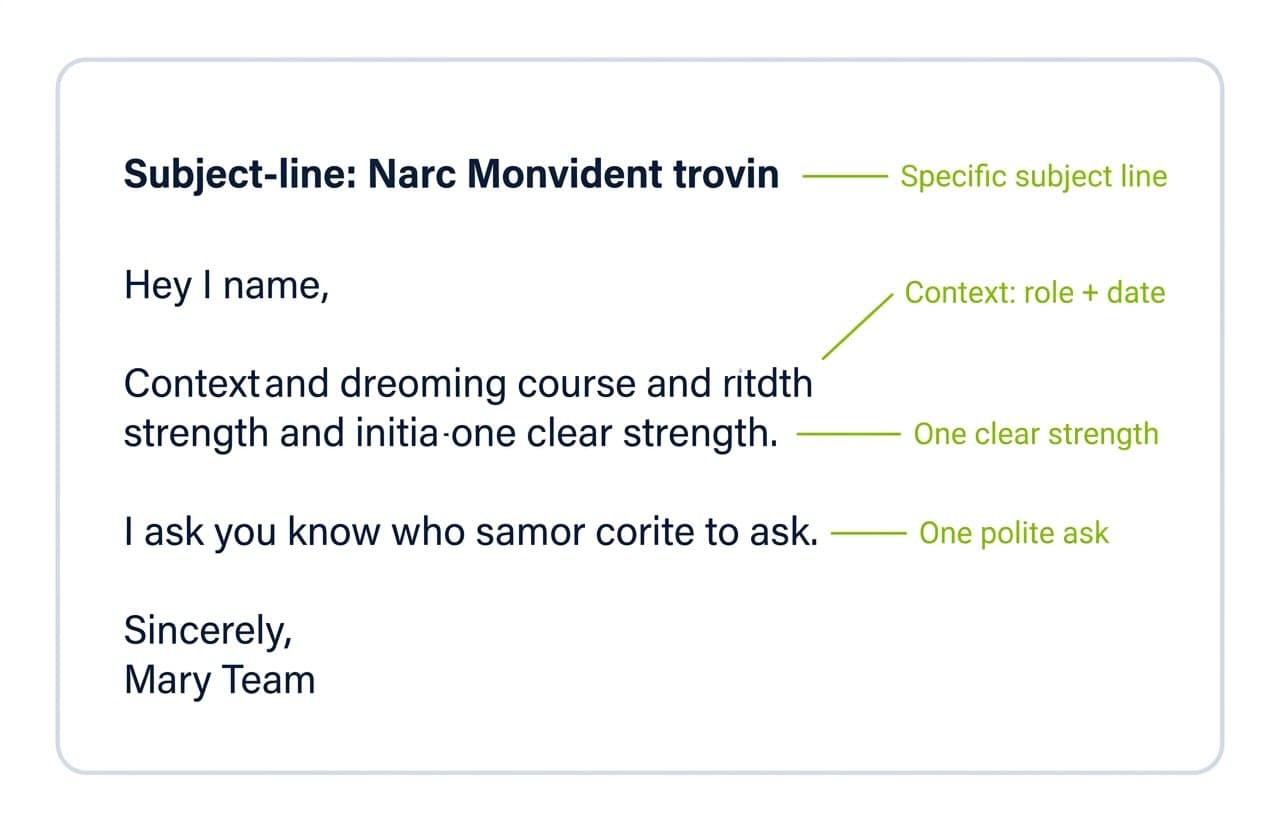
The hard part is knowing when to send, what to say, and how to sound confident without sounding desperate. Below you get the timing rules, a simple structure you can reuse, and 15 ready-to-adapt templates for almost every scenario, from a routine check-in to a career fair introduction to a senior executive search.
When to Send Your Follow-Up Email After Application
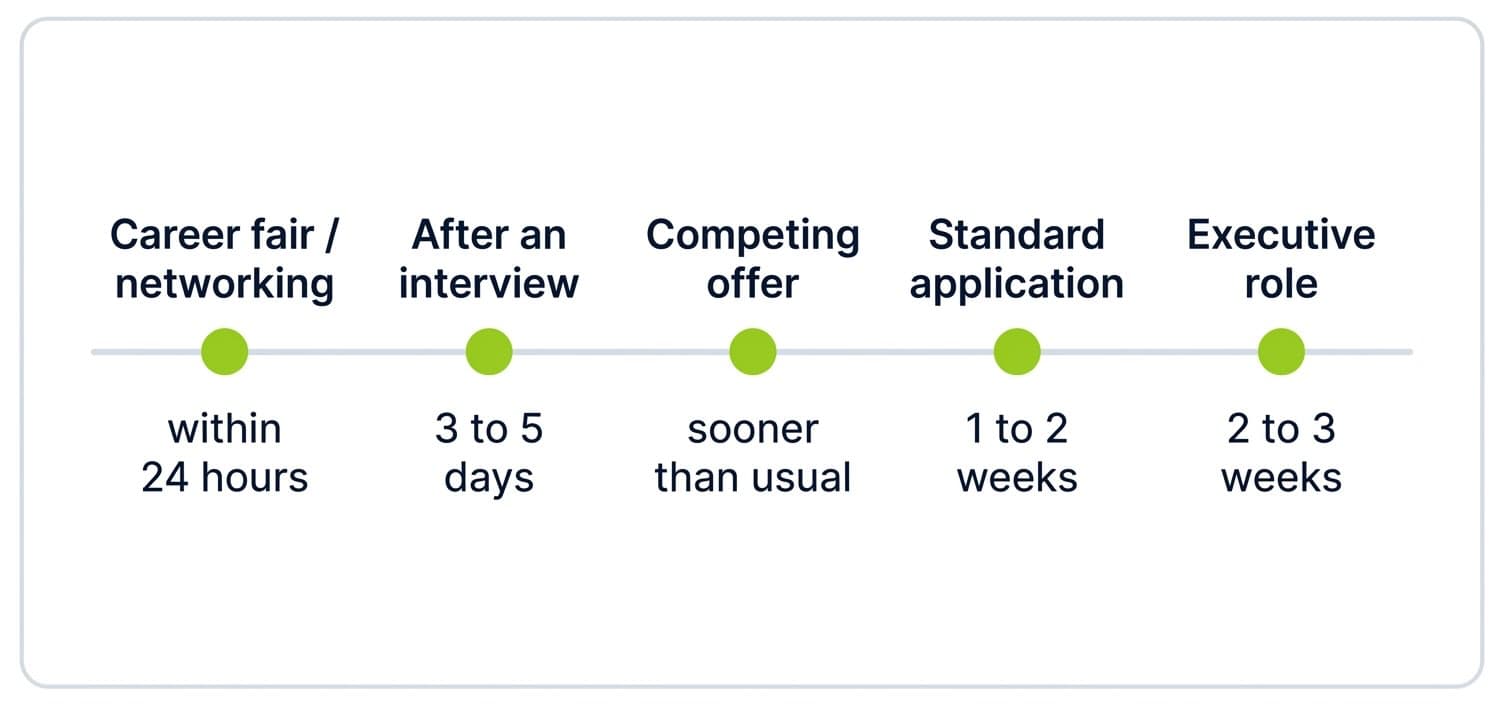
Timing is the difference between looking eager and looking impatient. The right window depends almost entirely on what kind of application you sent and whether you have already spoken to anyone on the team.
The default window: one to two weeks
For a standard online application where you have not yet had any contact, wait one to two weeks before following up. That gives recruiters time to actually open and sort the stack of applications they receive every day, and it keeps you clear of the "needy" impression that comes from reaching out two days after applying. Hiring is slower than most candidates assume: in Robert Half's data, 37 percent of managers said it takes three to four weeks to staff an open role, and 27 percent said five to eight weeks. Patience reads as professionalism.