Most people write their LinkedIn headline once, accept whatever the platform auto-filled from their job title, and never look at it again. Then they wonder why recruiters never message them.
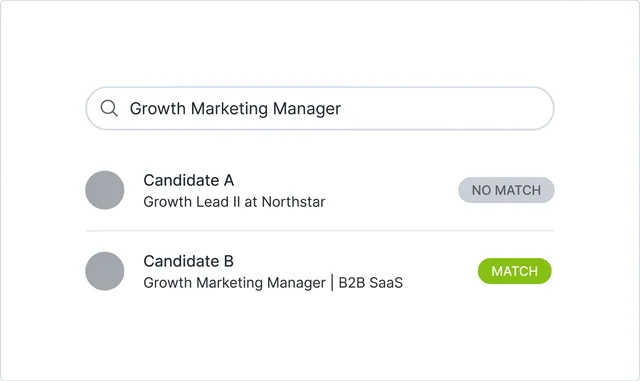
Here is the thing almost nobody tells you: your headline is not a caption. It is a search field. It is the line recruiters query against when they go looking for someone like you, and if the words they type do not appear in it, you are not in the results at all. Not ranked low. Not there.
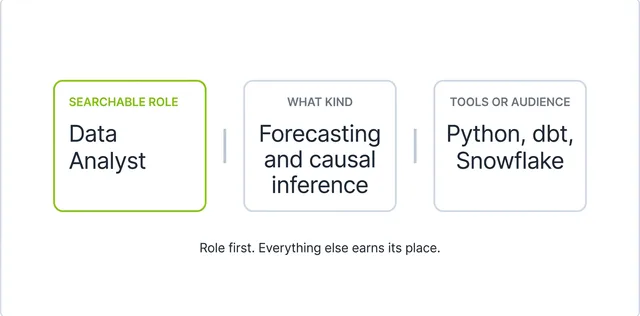
This guide gives you 40 LinkedIn headline examples across the situations people actually find themselves in, from students to career changers to people who are quietly looking while employed. It also shows the pattern underneath them, so you can write your own instead of copying someone else's. And it flags the headline statistics floating around the internet that you should ignore, because most of them are invented.
What your LinkedIn headline actually does
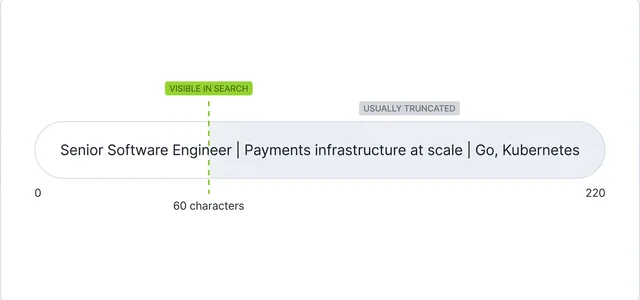
Your headline is the line under your name. LinkedIn gives you 220 characters for it, and unlike almost every other field on your profile, it travels. It appears in recruiter search results, beside every comment you leave on someone else's post, on every connection request you send, and in the preview card when somebody shares your profile in a message.
That reach is the reason it matters more than the About section, more than your skills list, and more than most of your work history. LinkedIn's own guidance is blunt about it: the platform's talent resources describe the headline as the highest-weighted field in recruiter search. Recruiters do not browse. They run keyword queries, often quite specific ones, and the platform matches those queries against your profile with the headline carrying the most weight.
So the practical question is not "what should my headline say about me". It is "what would someone have to type to find me, and do those exact words appear in my headline".